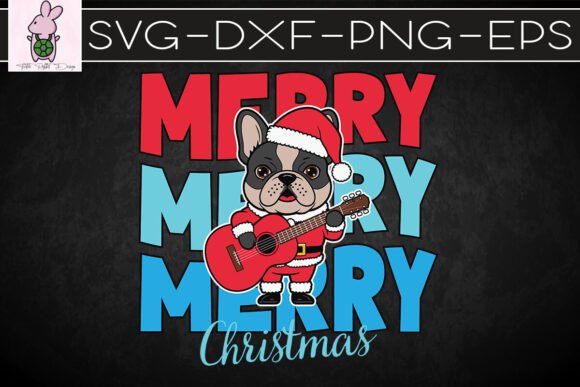
Christmas Dog Merry Christmas SVG
A Designer’s First Look: Cheerful, Compact, and Instantly Recognizable
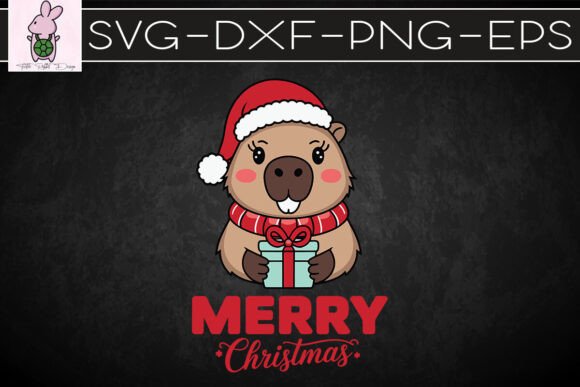
Opening Christmas Dog Merry Christmas SVG feels like unwrapping a small, well-wrapped holiday gift—bright, friendly, and full of intention. The composition centers on a stylized dog (think floppy ears, a soft muzzle, maybe a tiny red bow or scarf) nestled beside or beneath the phrase “Merry Christmas.” It’s not overly detailed, but it’s expressive—warm eyes, rounded shapes, balanced negative space. There’s no clutter, no unnecessary flourishes. That simplicity is its strength: this isn’t a gallery piece—it’s a machine embroidery design built for clarity at small-to-medium scales. As a designer who’s stitched hundreds of holiday motifs for boutique clients and Etsy sellers, I immediately saw where this would land best: on a cozy sweatshirt cuff, a baby onesie chest panel, or the front pocket of a linen tea towel.
Where It Shines—and Where It Needs Thoughtful Placement
I tested Christmas Dog Merry Christmas SVG as the focal point on a custom embroidered tote bag for a local pet-friendly café’s holiday pop-up. On medium-weight canvas with tear-away stabilizer and 40-weight rayon thread, it stitched cleanly in under 8 minutes. The dog’s outline held crispness, and the lettering stayed legible—even at 3.5 inches wide. That’s the sweet spot: cup-sized really means *comfortably hooped*, not squeezed. It performed just as well on a lightweight cotton apron (with cutaway stabilizer) and a fleece-lined baby blanket edge—soft enough for nursery decor, sturdy enough for repeat washing.
But here’s what I watched closely: the curve of the dog’s ear and the spacing in “Merry Christmas.” On stretchy fabric like jersey knit, those subtle curves softened slightly without proper stabilizer—so if you’re planning sweatshirt embroidery or custom apparel for active wear, double-layer your stabilizer and reduce top tension by 0.5. And while the design avoids ultra-thin lines or micro-details, the lowercase “r” and “y” in “Merry” do sit close together—if you’re stitching on dark fabric, test thread contrast first. A light gold or cream thread pops beautifully, but white-on-black can blur those tight spots unless your machine handles fine satin stitch consistently.
Fabric & Function: Matching the Design to Real-World Use
Christmas Dog Merry Christmas SVG is inherently versatile—but not universal. It thrives on stable, medium-texture surfaces: twill, duck cloth, brushed cotton, even medium-weight felt for patches. I made a set of embroidered patches from it (using a simple applique design approach with fusible web and satin-stitched edges), and they held up through three rounds of laundering with zero fraying.
Where it asks for caution: curved surfaces like caps or beanies. The layout isn’t symmetrical or circular—it leans horizontal—so centering it cleanly on a curved front panel takes careful digitizing adjustment or repositioning. Also, avoid placing it over seams or thick hems without testing hoop clearance first. And while the digital embroidery file includes PNG and DXF variants (great for laser cutting or print-and-cut workflows), remember: the SVG itself is vector-based—ideal for resizing in design software, but always verify stitch density after scaling beyond 120%.
What Customers Actually Respond To
This isn’t just about technical execution—it’s about emotional resonance. When I added Christmas Dog Merry Christmas SVG to a set of personalized holiday kitchen towels sold through my small shop, buyers didn’t just comment on “cute dog.” They said things like *“My golden retriever sits right where this is stitched—I had to buy two”* and *“The font feels handmade, not mass-produced.”* That warmth matters. It elevates a handmade product from “nice” to “meaningful.” For an Etsy seller, that translates directly to better reviews, higher perceived value, and repeat customers asking for matching items (a pillow cover? a baby bib? a pet bandana?). It also works quietly in branding—subtle enough for a boutique’s holiday packaging tag, distinct enough to become part of your visual signature.
Practical Notes Every Embroidery Designer Should Run Through
- Always test on scrap fabric first—especially if using textured weaves or blends. What looks clean on screen may feather on burlap or puff on terry cloth.
- Check stitch density before running full production. Dense fill areas (like the dog’s body) can cause puckering on thin fabrics—consider switching some fills to lighter fill stitch patterns or adding strategic running stitch outlines.
- Confirm your hoop size matches the design’s natural footprint. This one fits comfortably in a 4x4 hoop, but pushing into a 3x3 requires trimming details—don’t guess; measure.
- Inspect small corners and letter junctions in your embroidery software. If the “C” in “Christmas” touches the dog’s ear, adjust spacing before stitching—tiny overlaps create thread nests.
- Run black-and-white mockups. Does the shape read clearly when reduced to a single tone? Christmas Dog Merry Christmas SVG passes this test easily—a strong silhouette is half the battle.
- Verify licensing. Since this is labeled a digital design kit, confirm whether it permits commercial use for finished goods (yes, typically) and resale of the digital file itself (usually no). When in doubt, contact the creator.
Final Thought: A Reliable, Joyful Workhorse
Christmas Dog Merry Christmas SVG won’t replace your heirloom monogram collection—but it will reliably elevate dozens of seasonal projects without fuss. It’s the kind of embroidery file you keep in your “go-to holiday folder,” ready for last-minute client requests, craft fair inventory bursts, or that special personalized gift you want to finish before the snow falls. It respects the craft: no over-engineered complexity, no misleading promises, just clear intent, thoughtful scale, and genuine charm. Whether you’re an apparel decorator building a holiday line, a creative entrepreneur sourcing design assets, or a hobbyist stitching joy into everyday objects—this one earns its place in your workflow. Just remember: great embroidery starts with smart choices, not just pretty files. Test, observe, and stitch with intention.