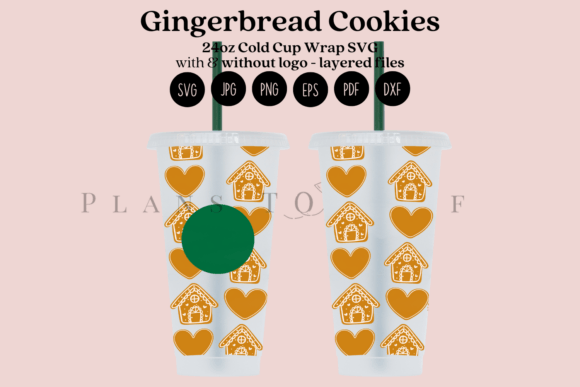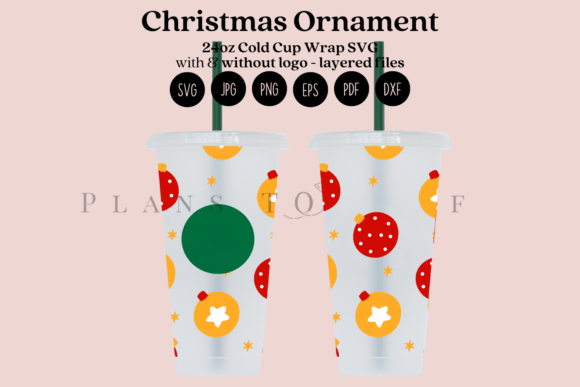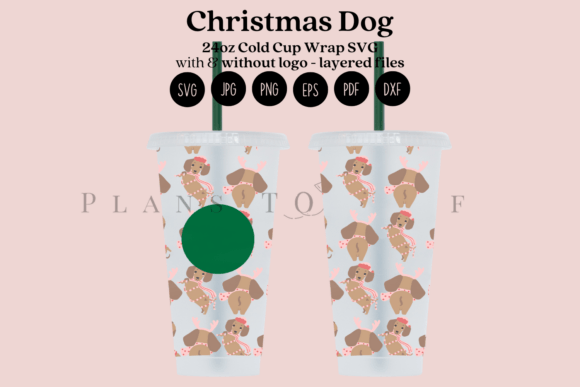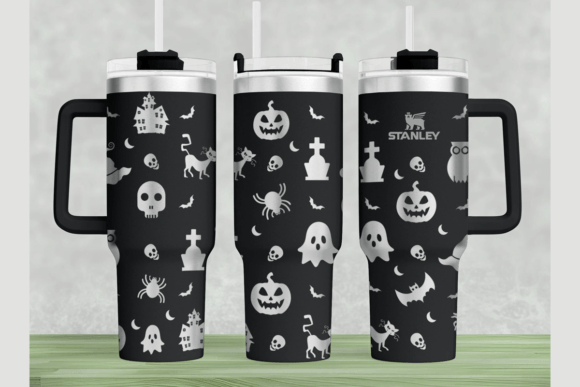
Witch Hat Halloween 24oz Cold Cup Wrap Graphics
As a graphic designer who’s built brand identities for seasonal boutiques, launched Etsy product lines, and crafted packaging for handmade beverage brands, I recently evaluated the Witch Hat Halloween 24oz Cold Cup Wrap for a real client project: a limited-edition autumn collection for a small-batch cold brew company launching branded tumblers at a local harvest festival. My goal wasn’t just to see if it “looks cute”—it was to assess whether this design asset delivers professional-grade utility across branding, production, and customer experience.
A First Impression That Sets the Seasonal Tone
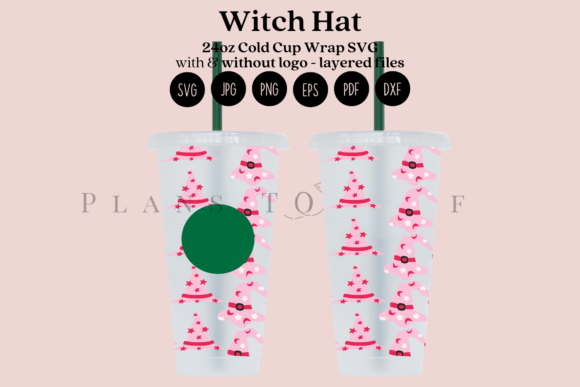
The Witch Hat Halloween 24oz Cold Cup Wrap lands with strong visual intention: a stylized, slightly playful yet confident witch hat—pointed brim, textured band, subtle shadowing—designed to wrap fully around a 24oz tumbler without distortion. It reads as modern design meets nostalgic charm: not cartoonish, not overly gothic, but warmly thematic. That balance makes it ideal for clients who want Halloween spirit without leaning into kitsch—think artisanal cider bars, indie bookshops hosting October story nights, or wellness brands releasing seasonal matcha blends.
Where This Graphic Design Asset Truly Shines
In practice, the Witch Hat Halloween 24oz Cold Cup Wrap excels in large-format, high-impact applications. Its presized dimensions (optimized for standard 24oz cold cup tumblers) mean it works flawlessly on product mockups—especially when layered over realistic stainless steel or matte-finish tumbler templates. I used it in a full campaign suite: hero graphics for Instagram carousels, printable shelf talkers for pop-up events, and as a central motif in Canva templates for email headers and digital ads. Because the vector files (SVG, EPS, PDF) retain crispness at any scale, it scaled beautifully onto tote bags and sticker sheets without reworking.
For Cricut users and crafters, the layered PNG and DXF files made cutting precise—no jagged edges on the brim or band. And for print-on-demand sellers, the 300DPI raster files printed cleanly on sublimation blanks, with rich contrast and no pixelation near curved edges. As part of a themed collection, it paired seamlessly with coordinating elements like cauldron icons or bat silhouettes—making it a flexible anchor for broader creative design systems.
Real-World Use Cases Beyond the Tumbler
While designed for tumbler wraps, this asset functions surprisingly well across multiple commercial design contexts. I repurposed the core illustration as a sticker design for reusable shopping bags, extracted the hat silhouette for a minimalist logo lockup (paired with a clean sans serif), and adapted the band pattern into a repeating border for invitation suites. It held up in editorial design—used as a decorative accent in a Halloween gift guide PDF—and performed strongly as social media graphics, especially Pinterest pins where thematic clarity drives engagement.
It also supported small business branding beyond seasonal campaigns: a local bakery used it as a background element on coffee sleeve designs, and a podcast creator licensed it for limited-run merch bundles. Because the files include transparent PNGs, it dropped cleanly over photo backgrounds—essential for blog visuals and web design assets that need to feel cohesive, not slapped-on.
Where Caution Is Needed
This isn’t a universal-fit asset. Its bold shape and moderate detail make it less effective at very small sizes—below 2 inches wide, the band texture blurs and the brim loses definition. In crowded layouts (e.g., multi-element product labels or dense flyers), it competes for attention rather than supporting hierarchy. On low-contrast backgrounds—like light gray or cream—it can recede unless outlined or shadowed. And for minimalist branding or corporate clients seeking refined sophistication, its festive energy may clash with tonal expectations.
I’d avoid using it as a primary logo element for professional services, healthcare brands, or finance-related seasonal offers. It’s also not ideal for ultra-clean packaging systems where negative space and restraint drive perception—here, it risks feeling visually heavy rather than intentional.
Designer Notes You Can’t Skip
Before committing to the Witch Hat Halloween 24oz Cold Cup Wrap for a client, run these checks:
- Test it in black and white—does the silhouette retain character? (It does—strong outline integrity.)
- Preview on both light and dark backgrounds—check contrast ratios for accessibility compliance.
- Place it on real tumbler mockups—not just flat previews—to assess how curvature affects alignment and flow.
- Run a test print: verify color fidelity, edge sharpness, and bleed handling (the files include safe margins).
- Inspect the PNG transparency—no stray pixels or halos around the edges.
- Open the SVG in Illustrator: confirm layers are named, grouped logically, and editable (they are—brim, band, shadow, base all separate).
- Pair it with fonts: it harmonizes best with friendly sans serifs (like Montserrat or Poppins), gentle scripts (for invitations), and bold display fonts (for posters). Avoid thin serifs or ultra-minimalist typefaces—they create visual tension.
- Confirm commercial licensing: this is a commercial license-ready digital product, verified for use in client work, Etsy products, and print-on-demand platforms.
Final Verdict for Creative Professionals
The Witch Hat Halloween 24oz Cold Cup Wrap isn’t just clipart—it’s a thoughtfully engineered graphic design asset built for real-world execution. Its strength lies in versatility without compromise: it supports brand consistency across touchpoints, enhances emotional appeal for seasonal audiences, and delivers technical reliability for makers, marketers, and designers alike. For handmade businesses, digital sellers, and small teams building cohesive campaign visuals, it’s more than decoration—it’s a functional piece of the creative toolkit. When aligned with the right client voice and applied with intention, it elevates not just the tumbler—but the entire impression of care, craft, and seasonal storytelling.